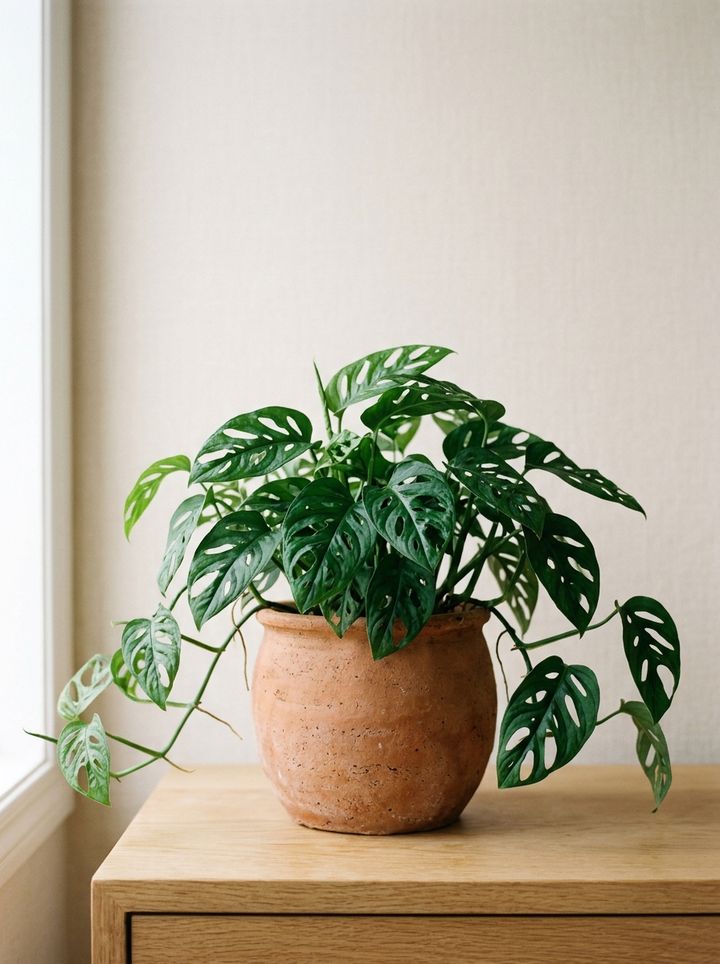
We care for your plantswith a specialist’seye.

Care profiles, personalized diagnosis, and practical guidance so your plants thrive at home.
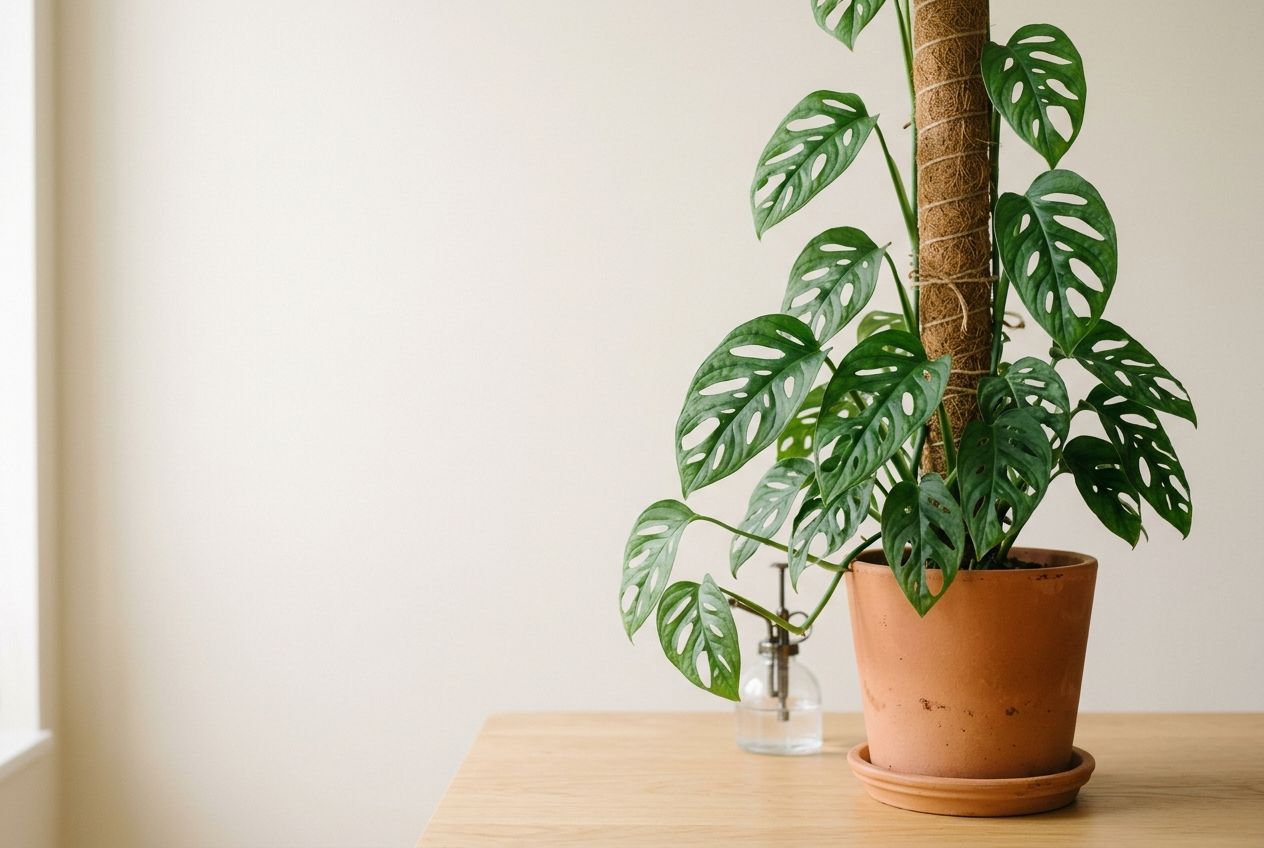
Healthy indoor tropical plants in terracotta pots in natural light
Fig. 01Thoughtful plant care and botanical observation for homes in the Dominican Republic.

Featured plant profiles
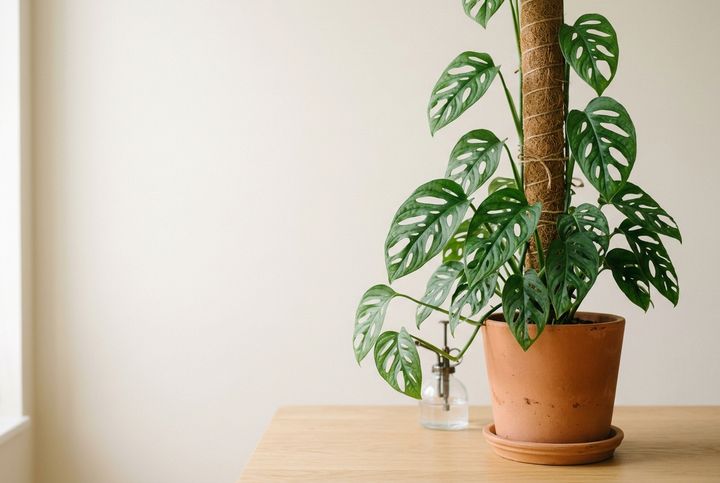
Monstera adansonii with fenestrated leaves in a terracotta pot by a window
Fig. 02Monstera — Monstera adansonii, M. epipremnoides

Monstera

Monstera adansonii, M. epipremnoides

Bright indirect light Toxic to pets

CareEasy
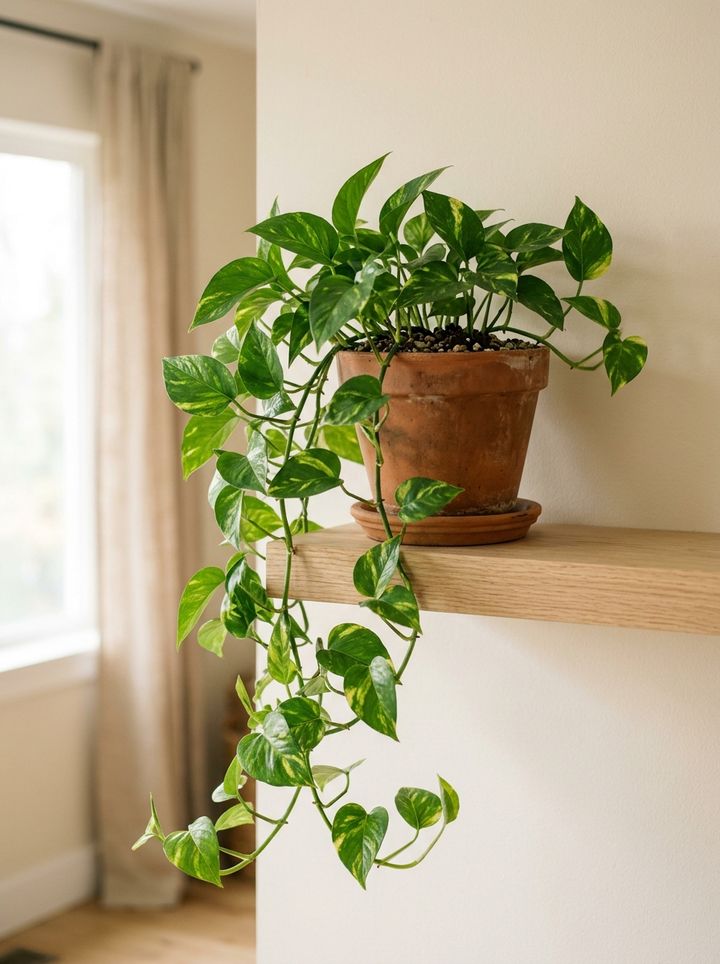
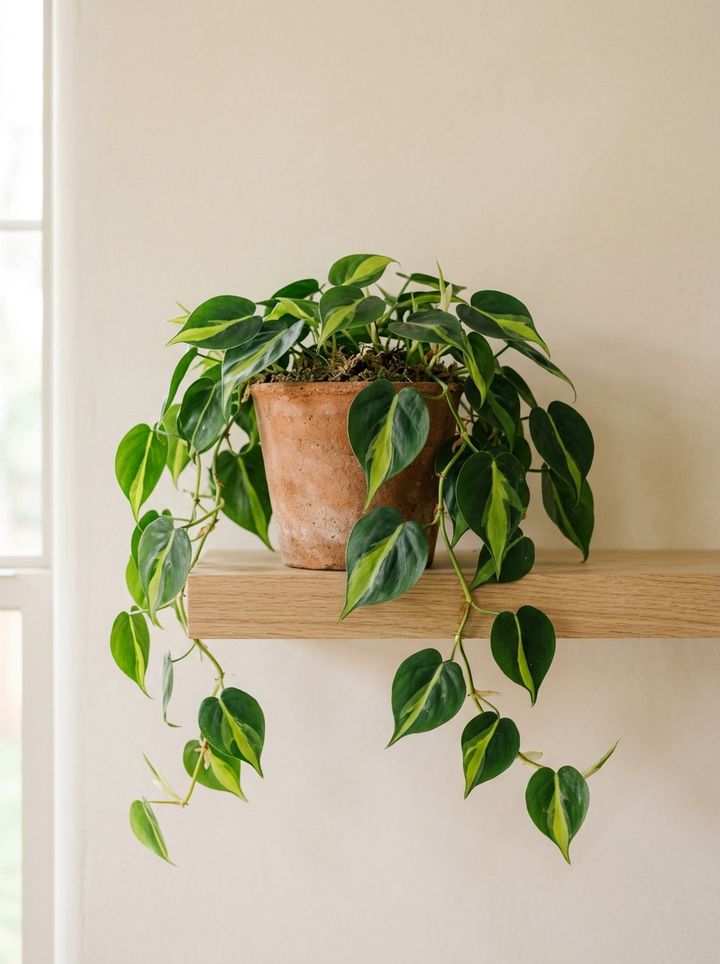
Pothos with green and gold leaves trailing from a terracotta pot on a shelf
Fig. 03Pothos — Epipremnum aureum, E. pinnatum

Pothos

Epipremnum aureum, E. pinnatum

Tolerates low light Toxic to pets

CareVery easy
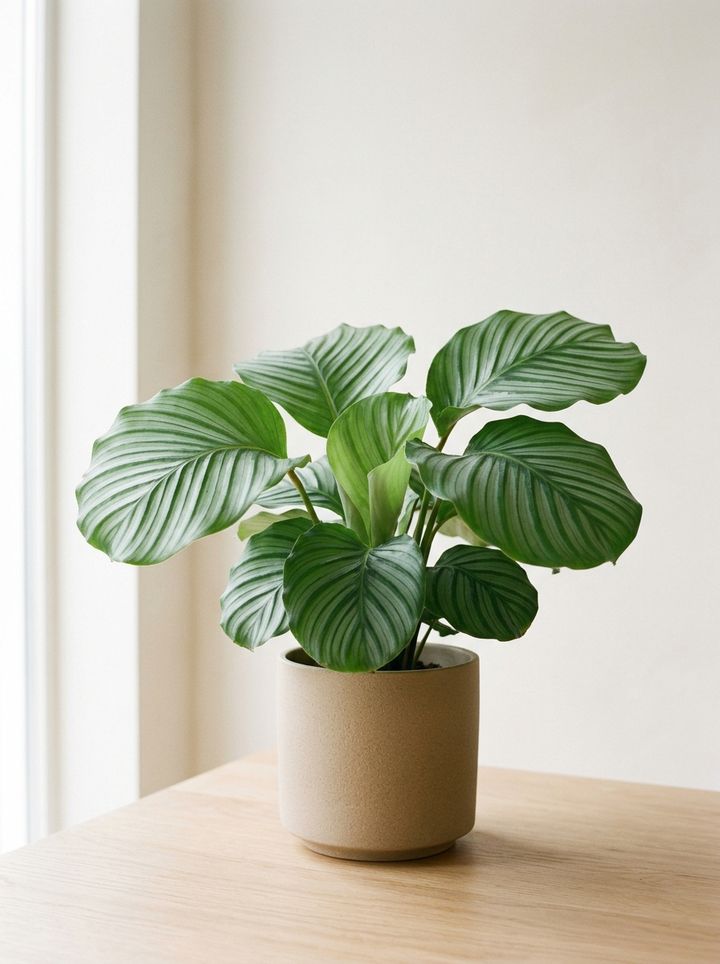
Calathea orbifolia with round silver-striped leaves in a ceramic pot
Fig. 04Calathea orbifolia — Goeppertia orbifolia

Calathea orbifolia

Goeppertia orbifolia

Medium indirect light Pet-safe

CareAttentive
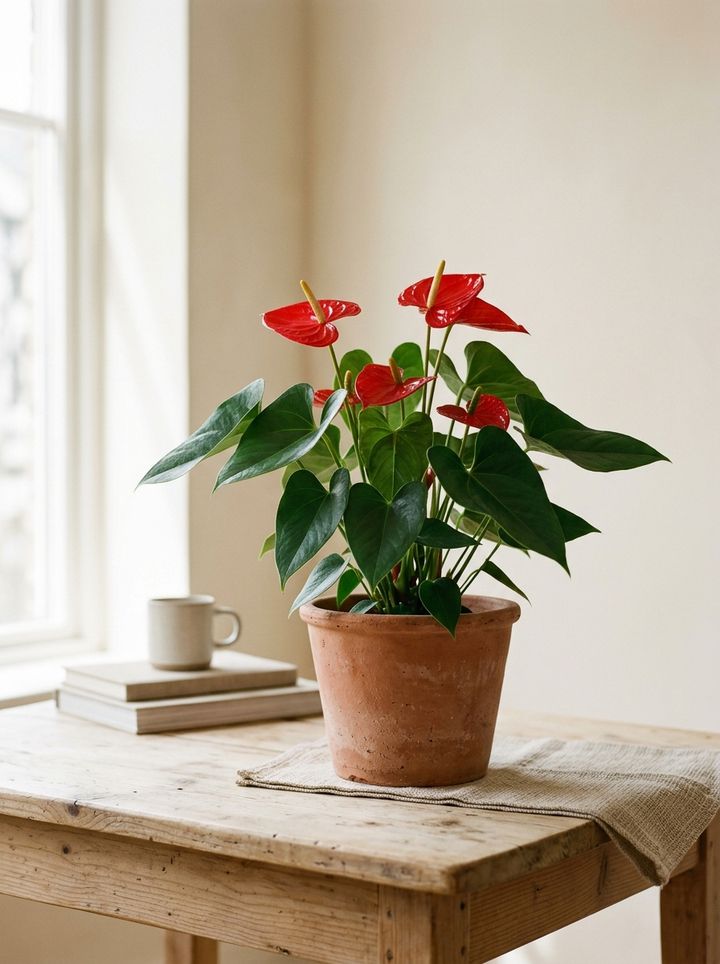
Blooming anthurium with glossy red spathes in a terracotta pot
Fig. 05Anthurium — Anthurium andraeanum

Anthurium

Anthurium andraeanum

Bright indirect light Toxic to pets

CareModerate
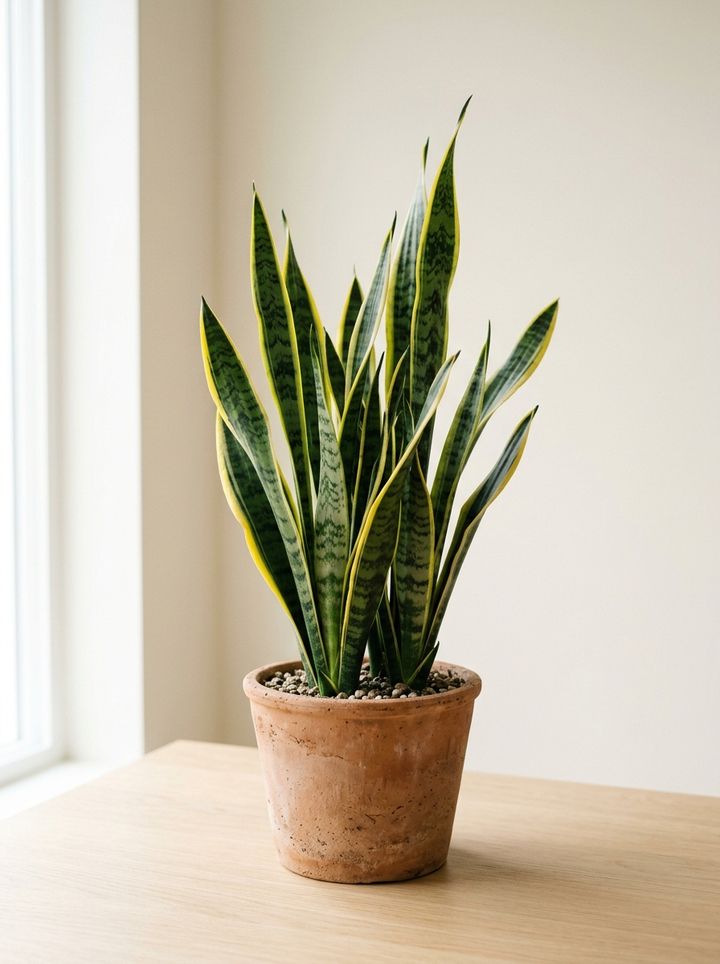
Snake plant with upright yellow-edged leaves in a terracotta pot
Fig. 06Snake plant — Dracaena trifasciata

Snake plant

Dracaena trifasciata

Tolerates low light Mildly toxic to pets

CareVery easy
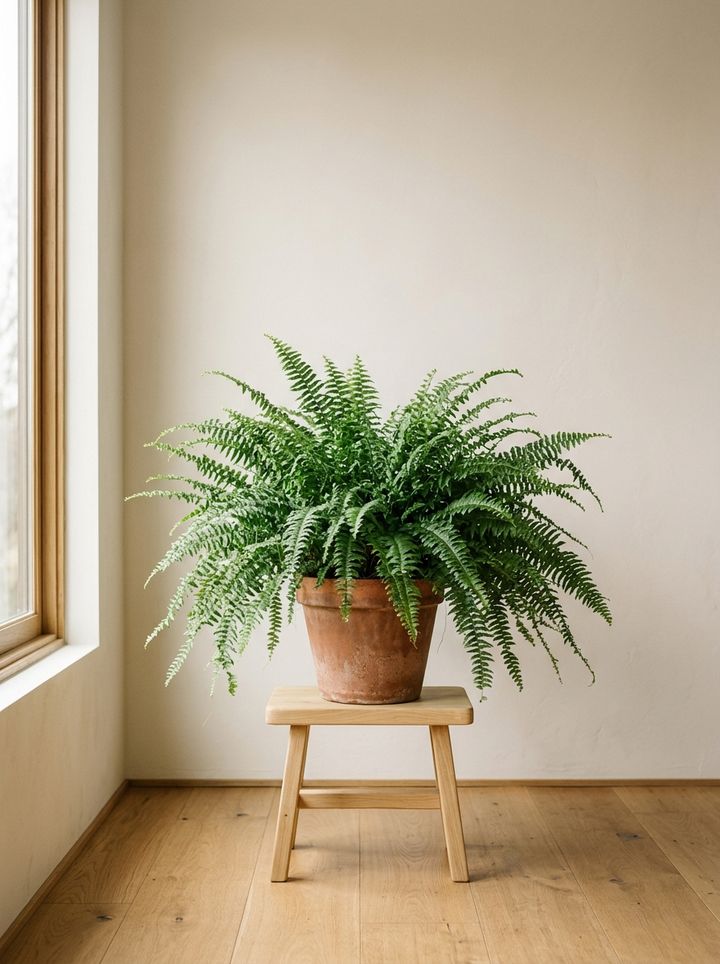
Lush Boston fern in a terracotta pot on a wooden stool
Fig. 07Boston fern — Nephrolepis exaltata

Boston fern

Nephrolepis exaltata

Medium indirect light Pet-safe

CareModerate
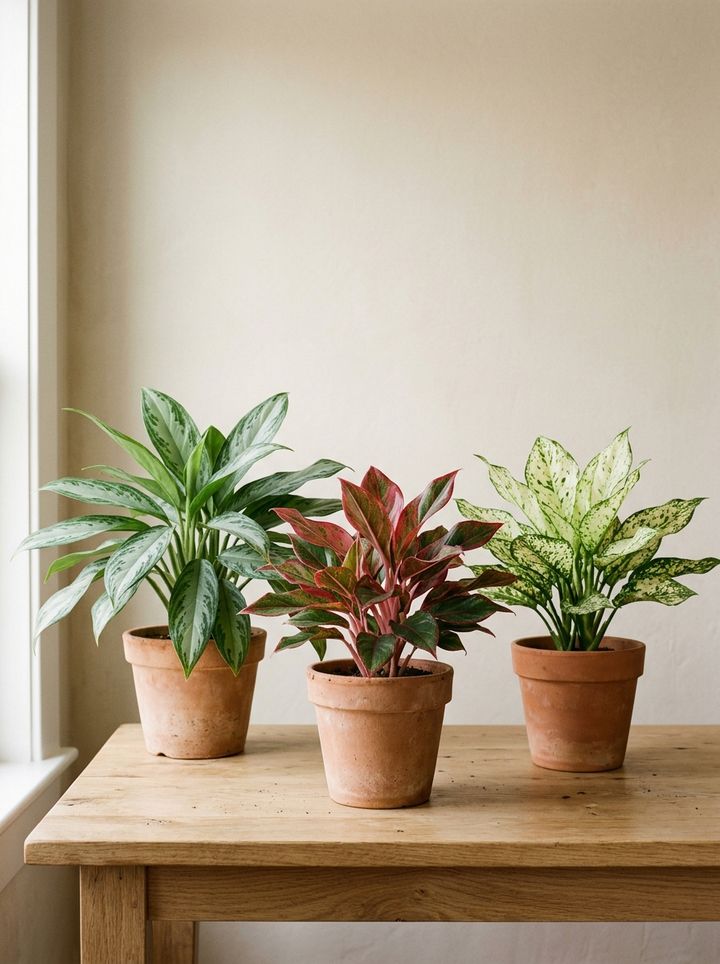
Aglaonema with green leaves splashed with silver and reddish edges in a terracotta pot, lit by natural window light
Fig. 08Aglaonema — Aglaonema spp.

Aglaonema

Aglaonema spp.

Tolerates low light Toxic to pets

CareEasy
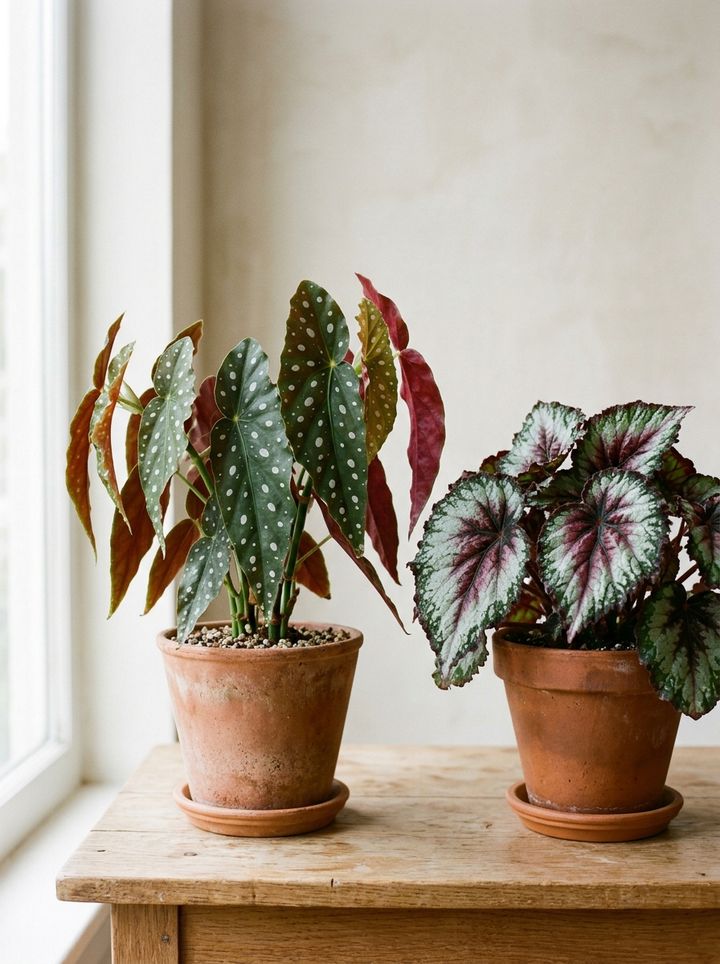
Begonia with dark green, silver-spotted leaves and red undersides in a terracotta pot, in soft natural light
Fig. 09Tropical begonia — Begonia spp.

Tropical begonia

Begonia spp.

Bright indirect light Toxic to pets

CareModerate
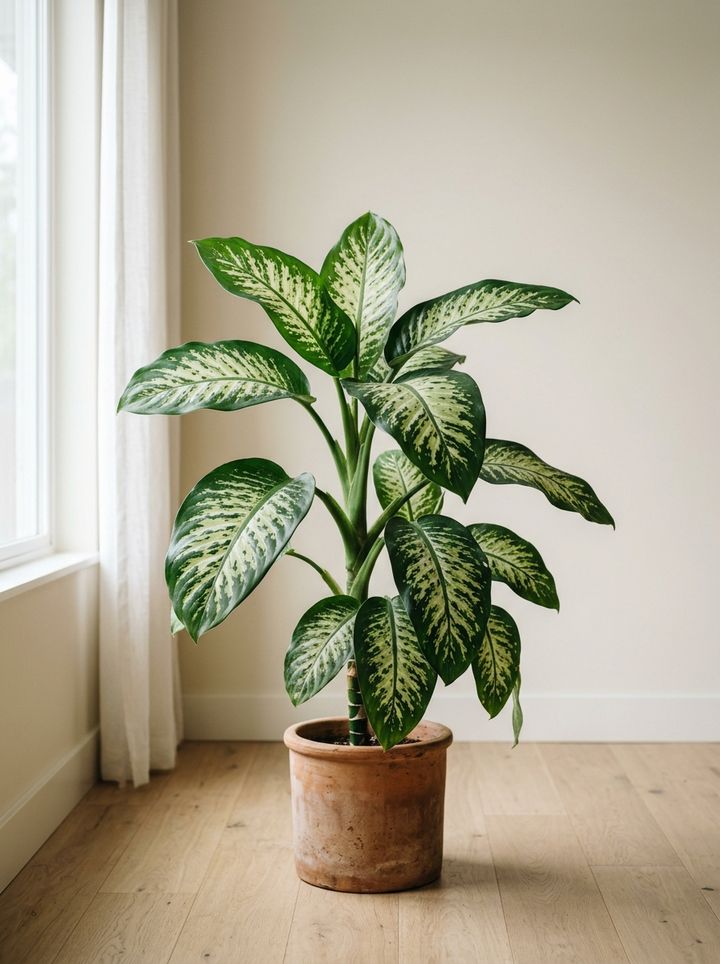
Dieffenbachia with large green leaves and creamy white centers in a terracotta pot, next to a window with natural light
Fig. 10Dieffenbachia — Dieffenbachia spp.

Dieffenbachia

Dieffenbachia spp.

Tolerates low light Toxic to pets and children

CareEasy
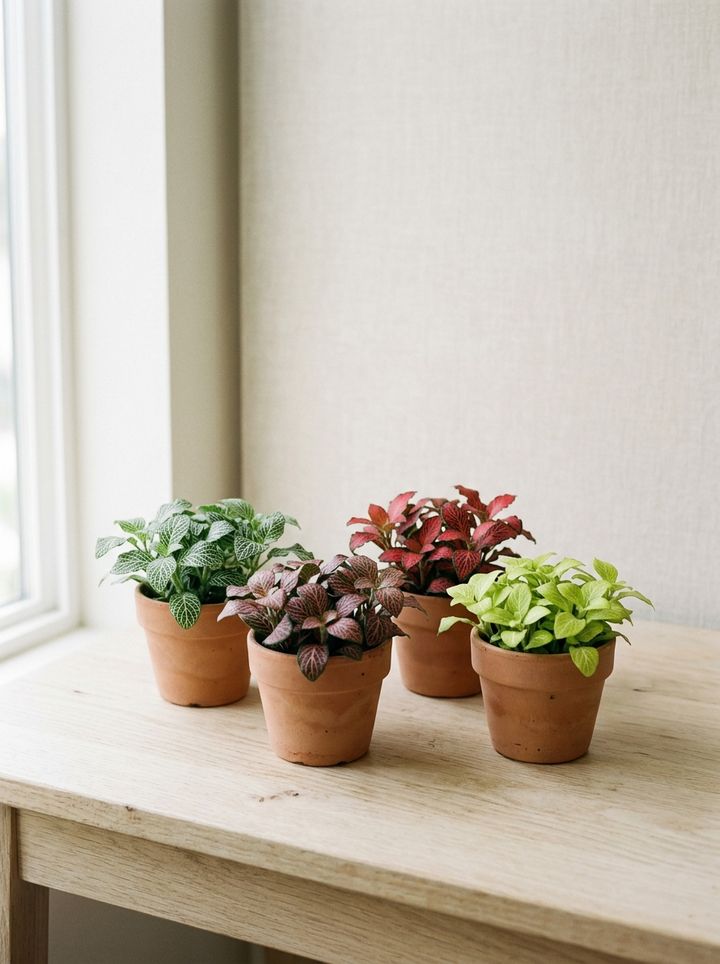
Fittonia with green leaves and pink veins forming a low mound in a small terracotta pot, in soft natural light
Fig. 11Fittonia — Fittonia albivenis

Fittonia

Fittonia albivenis

Medium light, no direct sun Non-toxic to pets

CareModerate
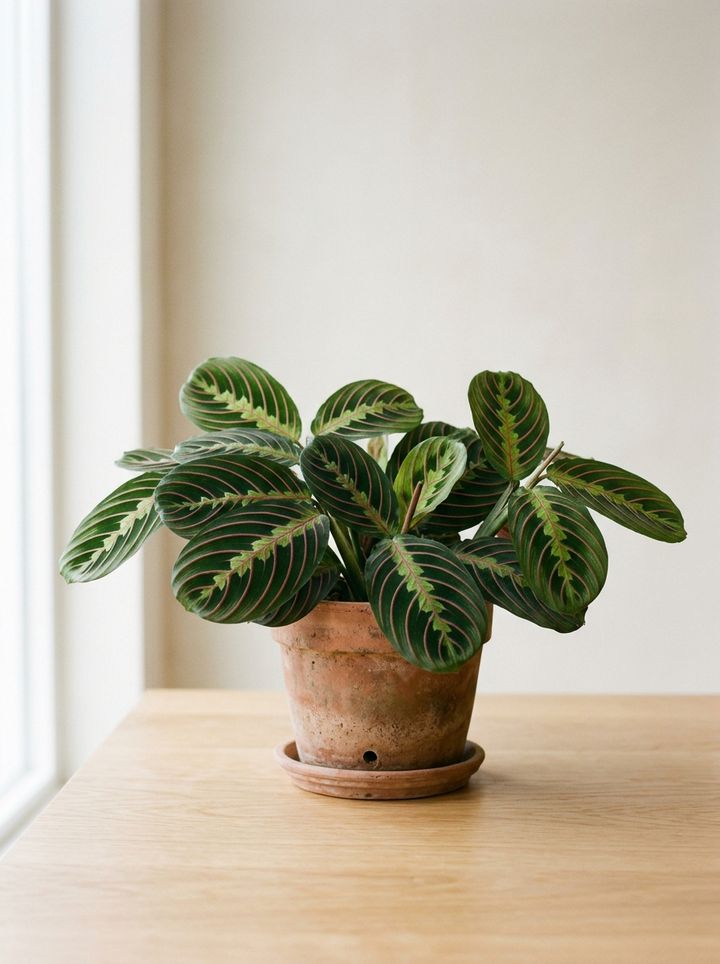
Maranta with dark green, red-veined leaves in a terracotta pot, lit by natural window light
Fig. 12Maranta — Maranta leuconeura

Maranta

Maranta leuconeura

Medium indirect light Pet-safe

CareModerate
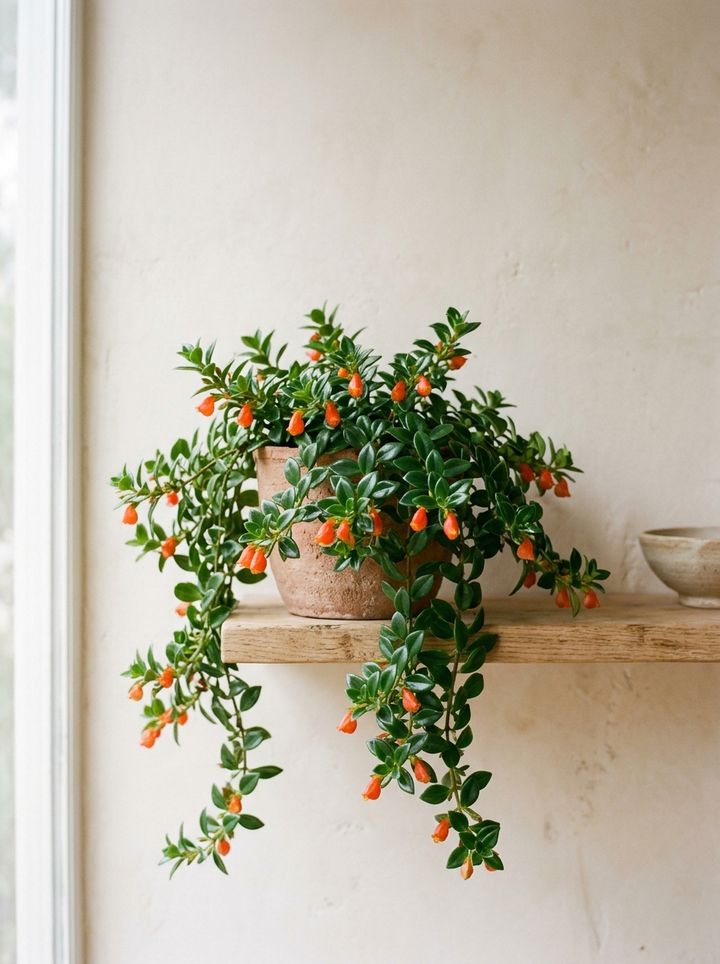
Nematanthus with small glossy leaves and orange goldfish-shaped flowers in a terracotta pot in natural light
Fig. 13Nematanthus — Nematanthus gregarius

Nematanthus

Nematanthus gregarius

Bright indirect light Pet-safe

CareModerate
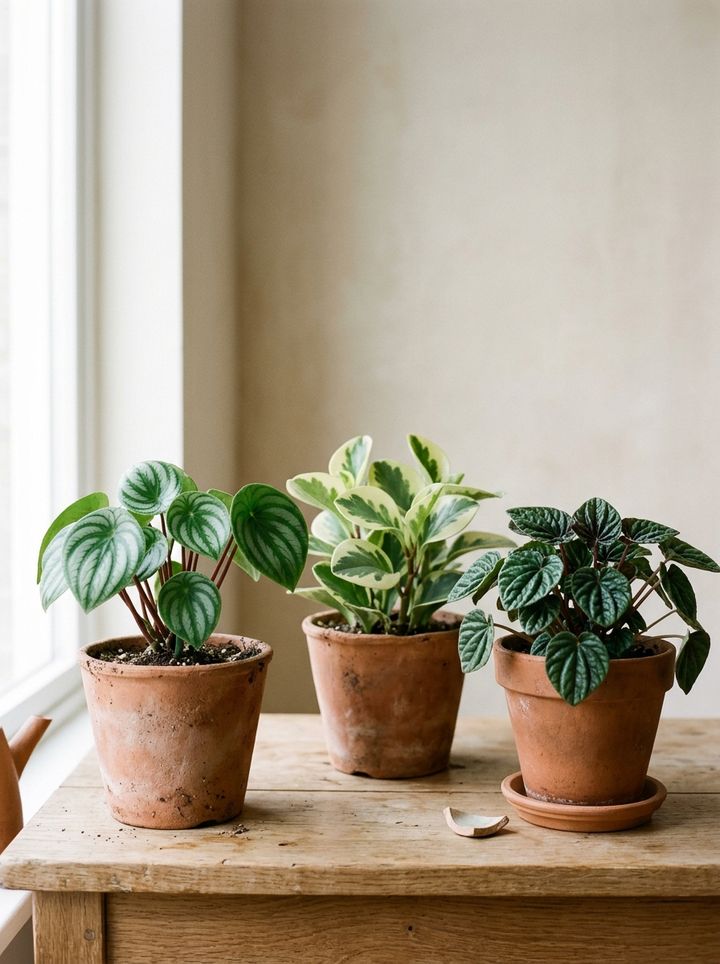
Peperomia with round, thick, glossy leaves in a small terracotta pot in natural light
Fig. 14Peperomia — Peperomia spp.

Peperomia

Peperomia spp.

Tolerates low light Pet-safe

CareEasy
Philodendron with green heart-shaped leaves trailing from a terracotta pot in natural window light
Fig. 15Philodendron — Philodendron spp.

Philodendron

Philodendron spp.

Tolerates low light Toxic to pets

CareVery easy
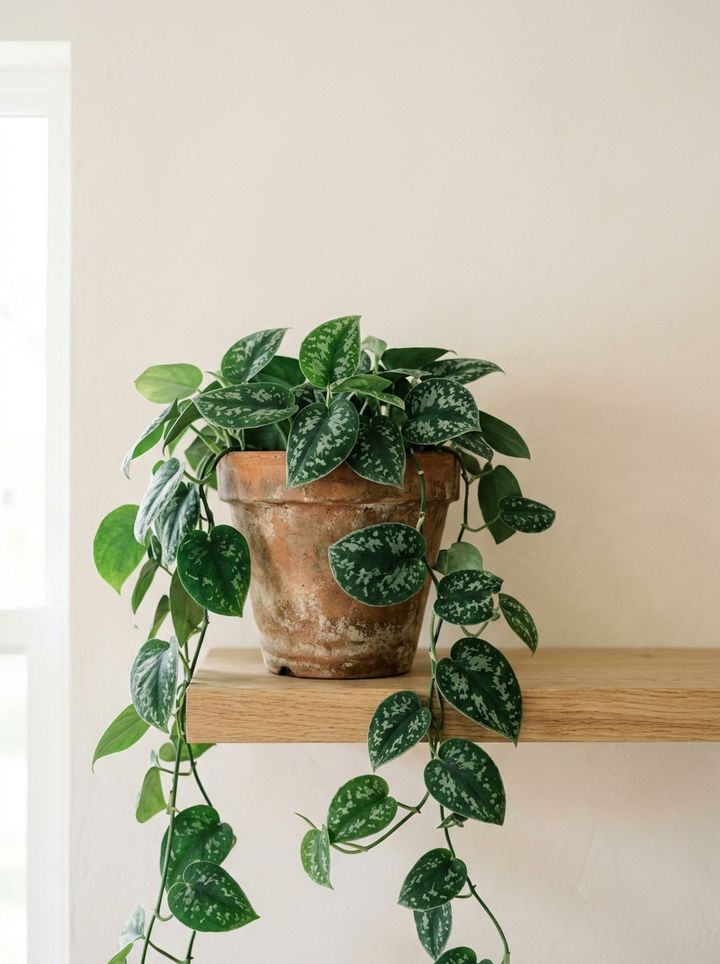
Scindapsus with dark green, silver-splashed leaves trailing from a terracotta pot in natural window light
Fig. 16Scindapsus — Scindapsus pictus

Scindapsus

Scindapsus pictus

Tolerates medium light Toxic to pets

CareEasy
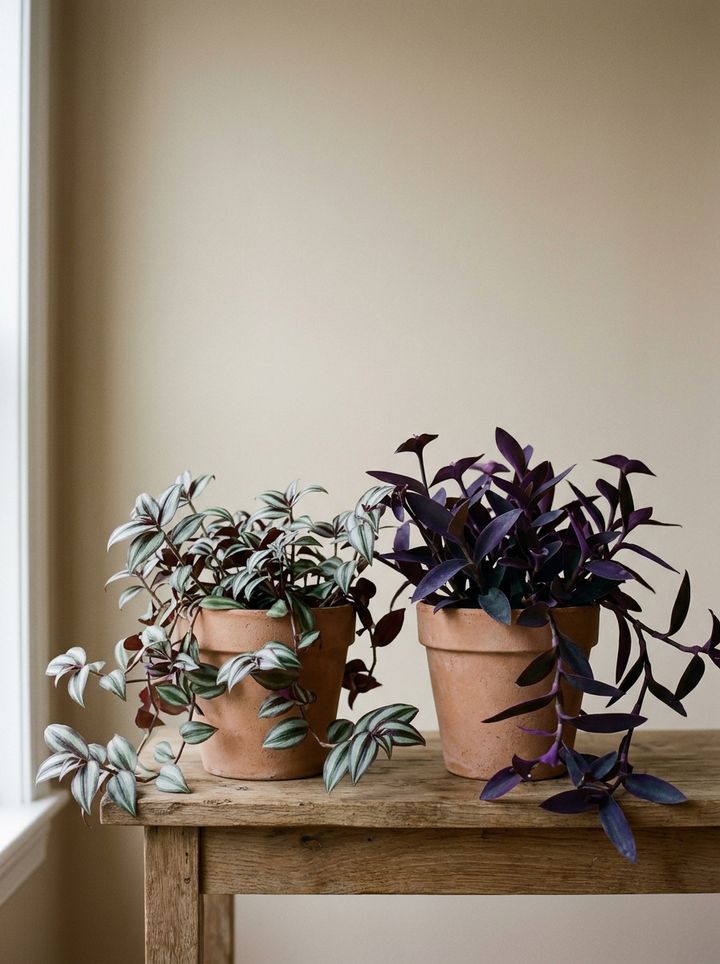
Tradescantia with purple and silver leaves spilling from a terracotta pot in natural light
Fig. 17Tradescantia — Tradescantia fluminensis, T. pallida, T. zebrina

Tradescantia

Tradescantia fluminensis, T. pallida, T. zebrina

Bright light Irritating to pets

CareVery easy
Episcia with velvety copper leaves, silvery patterning and small pink flowers in a terracotta pot, in soft natural light
Fig. 18Episcia — Episcia cupreata

Episcia

Episcia cupreata

Medium indirect light, no direct sun Non-toxic to pets

CareModerate

Is your plant looking off?

We take a close look at your plant with you, figure out what it needs, and walk you through helping it recover at home.

  1. Send a photo

    Snap a photo of your whole plant and a close-up of the affected leaves or stems in natural light.

  2. Diagnosis

    We evaluate your watering routine, room light, potting mix, and any signs of pests.

  3. Treatment on WhatsApp

    You get clear, step-by-step care instructions on your phone to nurse your plant back to health.
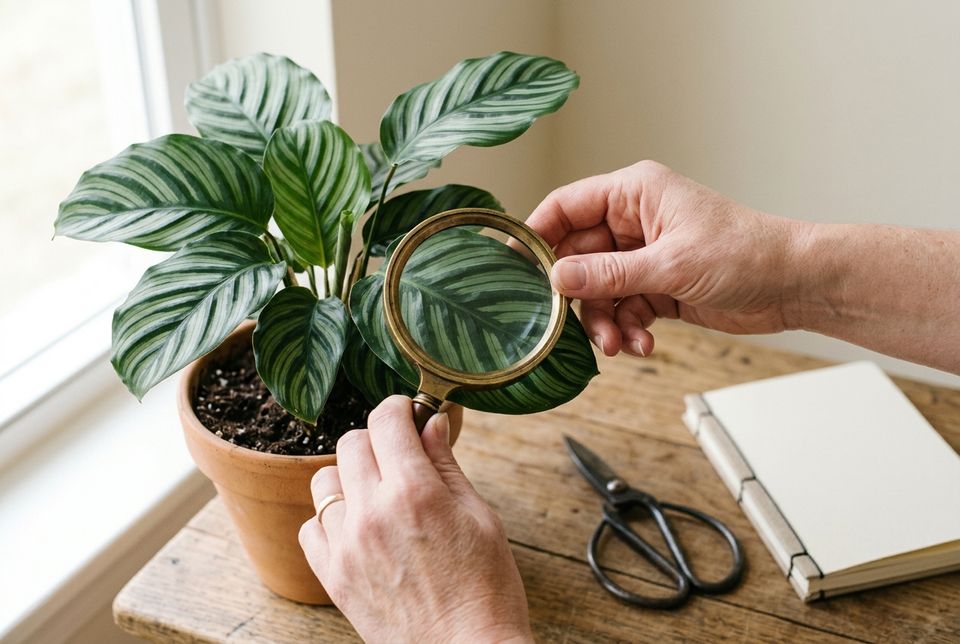
Common symptoms:Yellow leavesBrown tipsSpotsPests
Careful leaf inspection and diagnosis at the Dr. Plantas clinic
Fig. 19Clinic consultations via [WHATSAPP] and in person at [NURSERY ADDRESS].

Tell us what you’re noticing on its leaves and we’ll guide you step by step so it thrives again.

Consult the doctor

Care guides

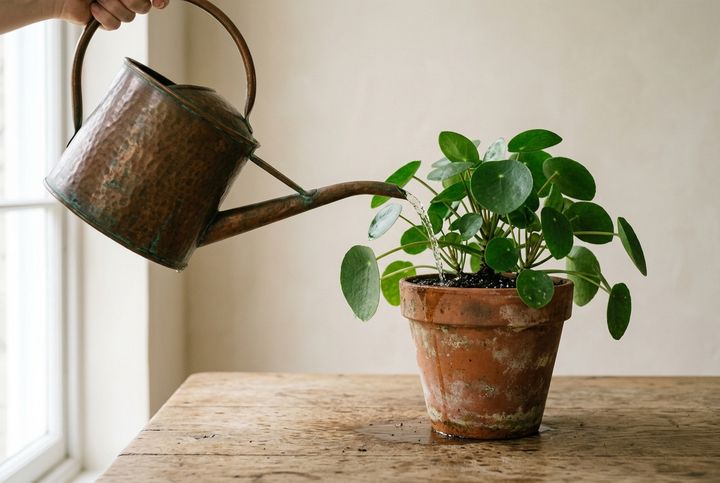
Carefully watering a potted houseplant over moist soil
Fig. 20Watering and soil moisture at home
WateringComing soon

How to water without drowning your plants
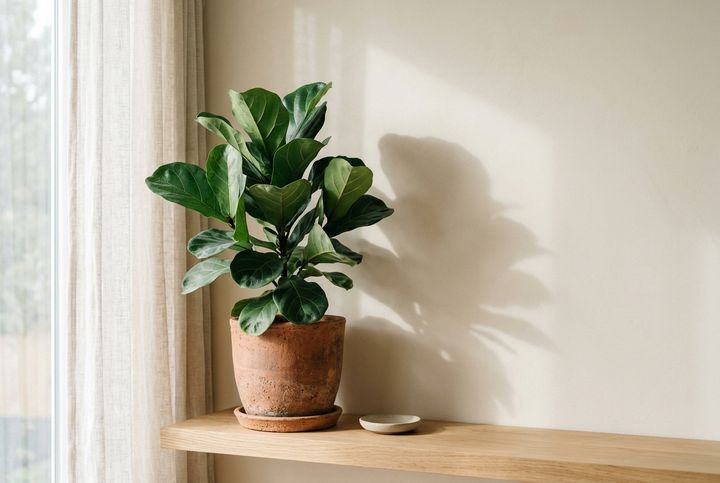
Houseplants receiving soft indirect sunlight beside a window
Fig. 21Reading natural light in your rooms
LightComing soon

Indirect light: what it really means in your home
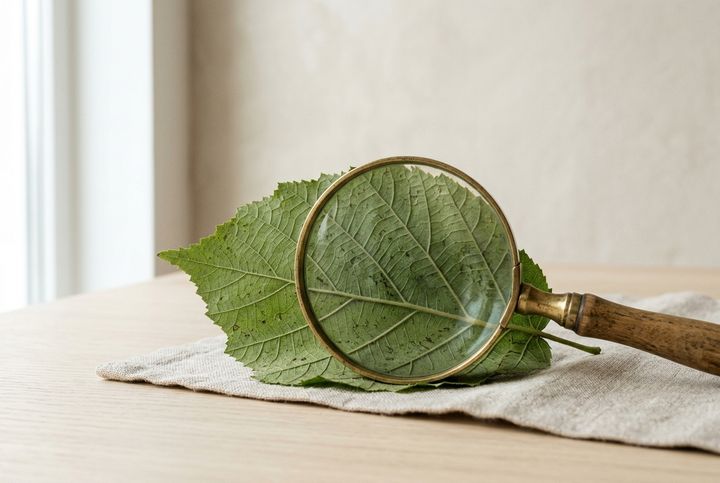
Checking the underside of a leaf to prevent common plant pests
Fig. 22Preventive leaf and stem checks
PestsComing soon

The most common plant pests in the DR and how to treat them
Join Dr. Plantas

  • Free gift: a starter guide to the 5 mistakes that kill plants in the DR
  • Seasonal care tips tailored to the Dominican climate
  • First to know when our shop and courses open
  • Nursery offers for registered friends

E.g. 809 555 1234. Outside the DR, start with + and your country code.