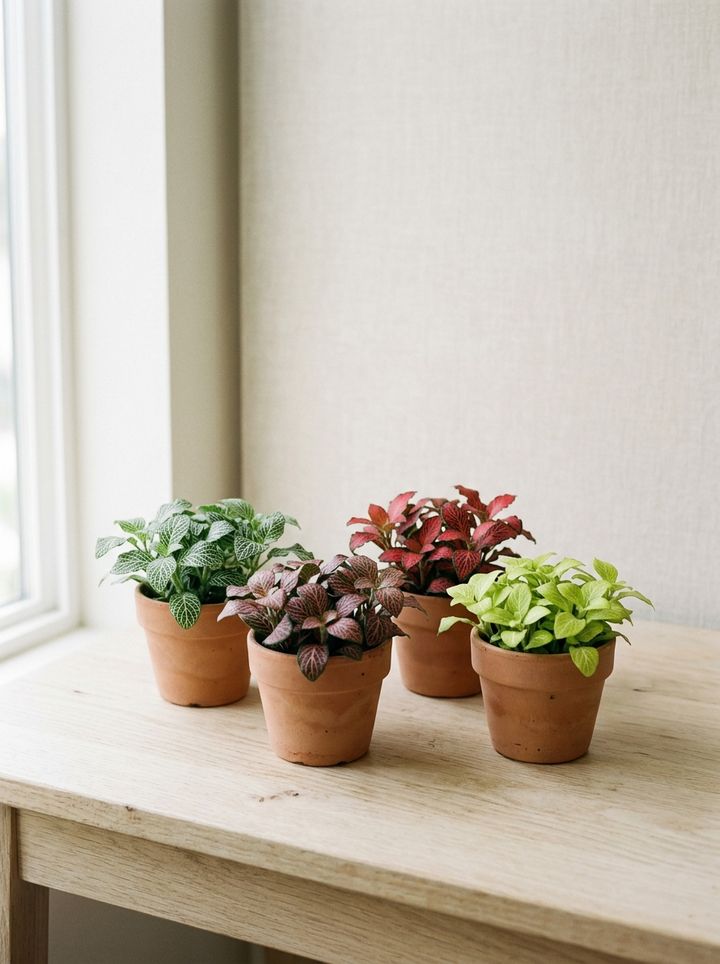
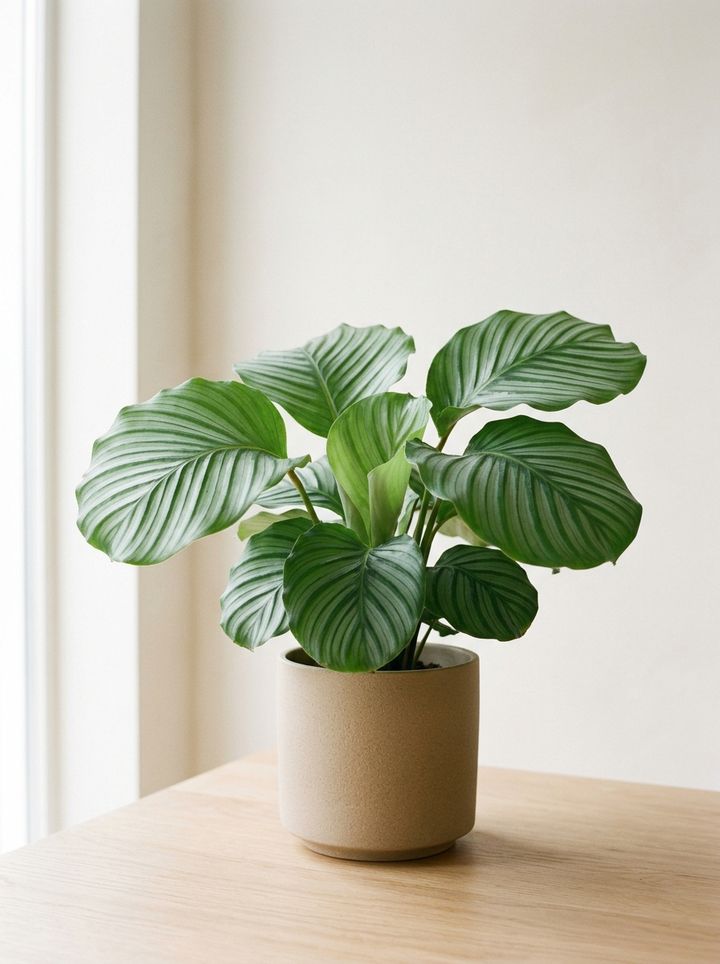
Welcome — this plant comes from the Dr. Plantas nursery. Here’s everything you need to care for it.
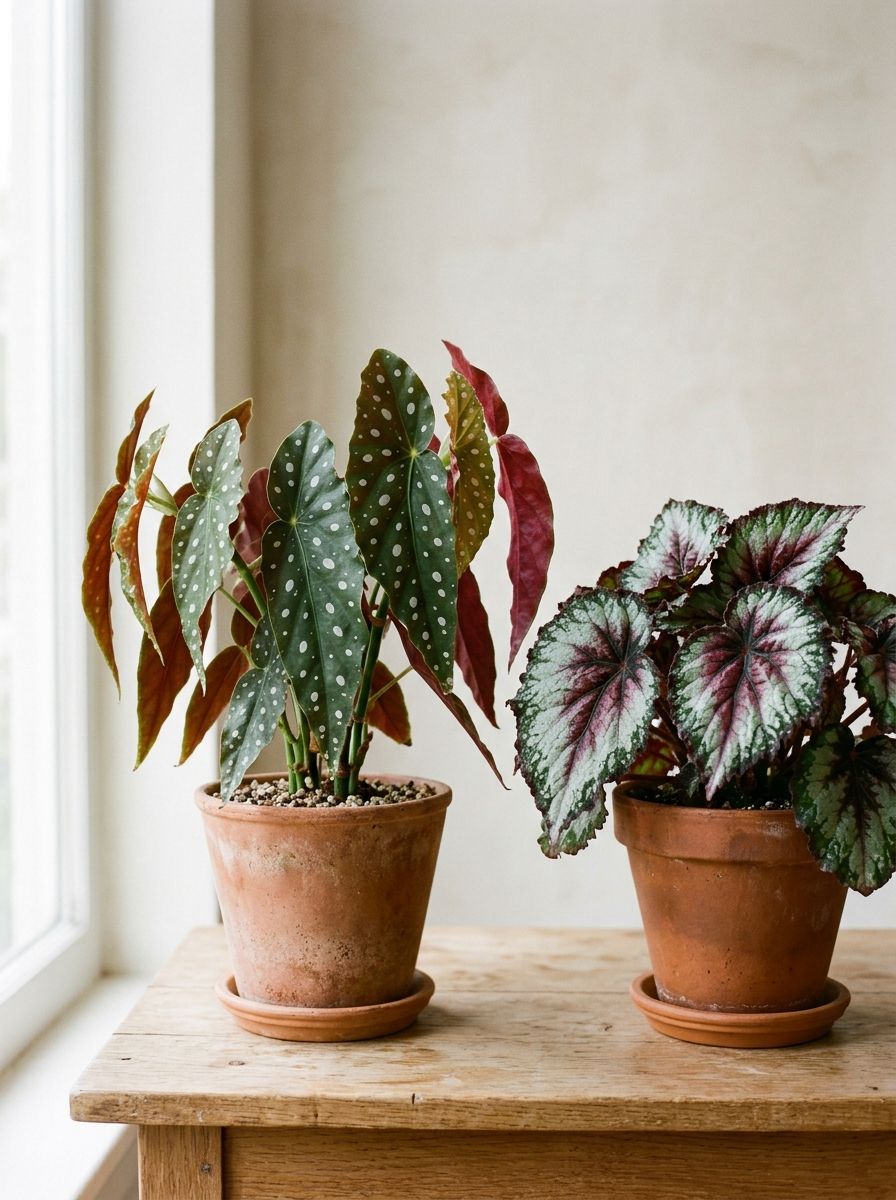
Fig. 01Tropical begonia
Plant care guide
Tropicalbegonia
Begonia spp. L.·Family Begoniaceae
Also known as Foliage begonia, rex begonia, angel wing begonia, polka dot begonia
Foliage begonias are grown for their leaves, with polka dots, spirals and metallic patterns. They love warm, humid air, but not wet feet.
LightBright indirect, no direct sun
WaterWhen the top inch is dry
HumidityMedium to high
Temperature68–86 °F (20–30 °C)
PetsToxic to dogs and cats, especially the roots
DifficultyMedium
Varieties we grow
Amphioxus
Tiny, narrow, pointed leaves with pink spots; ideal for small pots.
Beauty
Rex type with silver leaves edged in purple; forms a rounded mound.
Black Mamba
Very dark, almost black leaves on green stems; compact habit.
Geometry
Leaves with an unusual shape and a geometric-looking pattern; forms a rounded mound.
Red Slippers
Red leaves with a dark pattern in the center and a distinctive shape.
Snow Capped
Cane type with small leaves speckled with silvery white dots; fast-growing.
Maculata
The polka dot begonia; dark, lopsided leaves with silver dots and deep red undersides.
Maculata Pink Spot
Cane type with smaller dark green leaves and reddish-silver spots.
Iron Cross
Large, puckered, hairy green leaves with a brown cross in the center.
African Jungle
Rex type with pointed green leaves, silver-gray flecks, a dark red center and reddish stems.
Escargot
Rex type with leaves that curl into a snail-like spiral.
Black Velvet
Rhizomatous begonia with dark, velvety leaves.
Light
It needs plenty of brightness but no direct sun, which scorches the leaves and stunts growth. A bright window with a sheer curtain is ideal. Spiral-leaved types such as Escargot prefer a little more shade.
Watering
Water when the top inch is dry, pouring the water onto the soil rather than over the leaves. It likes moisture, but if the roots sit in water they rot very quickly. Always empty the saucer.
Soil and pot
Use a light, airy mix with perlite or coco coir, in a well-draining pot that isn't too big. Rex and compact begonias look best in small pots. If the polka dot begonia gets leggy, pinch the tips so it branches.
Humidity and temperature
It grows best between 68 and 86 °F (20–30 °C) with medium to high humidity. To raise humidity, set the pot on a tray of pebbles and water or group it with other plants. Don't mist the leaves, as that invites fungus.
In the Dominican Republic
Our heat suits it, but the sun here is far too strong for it; on a porch, keep it in the shade and under a roof. During the rainy season protect it from downpours, because leaves that stay wet for long get spots and white powder. Indoors, keep it away from the air conditioning, which dries out the leaf edges.
Also known as
Begonia
Common Spanish name
Begonia de hoja
Common Spanish name (foliage begonias)
Begonia de lunares
Common Spanish name (B. maculata)
Begonia alas de ángel
Common Spanish name (cane begonias)
Begonia rex
Common Spanish name (painted-leaf begonias)
Polka dot begonia
Common English name (B. maculata)
Angel wing begonia
Common English name (cane begonias)
Rex begonia
Common English name (painted-leaf begonias)
Common problems
White powder on the leaves→Powdery mildew, a fungus; remove affected leaves, keep the foliage dry and improve airflow.
Black, mushy stems at the base→Rot from overwatering; let the soil dry, water less and check the drainage.
Dry or scorched patches on the leaves→It's getting direct sun; move it to filtered light.
Fine webbing and yellow speckles on the undersides→Spider mites; wipe the leaves with a damp cloth and apply insecticidal soap.
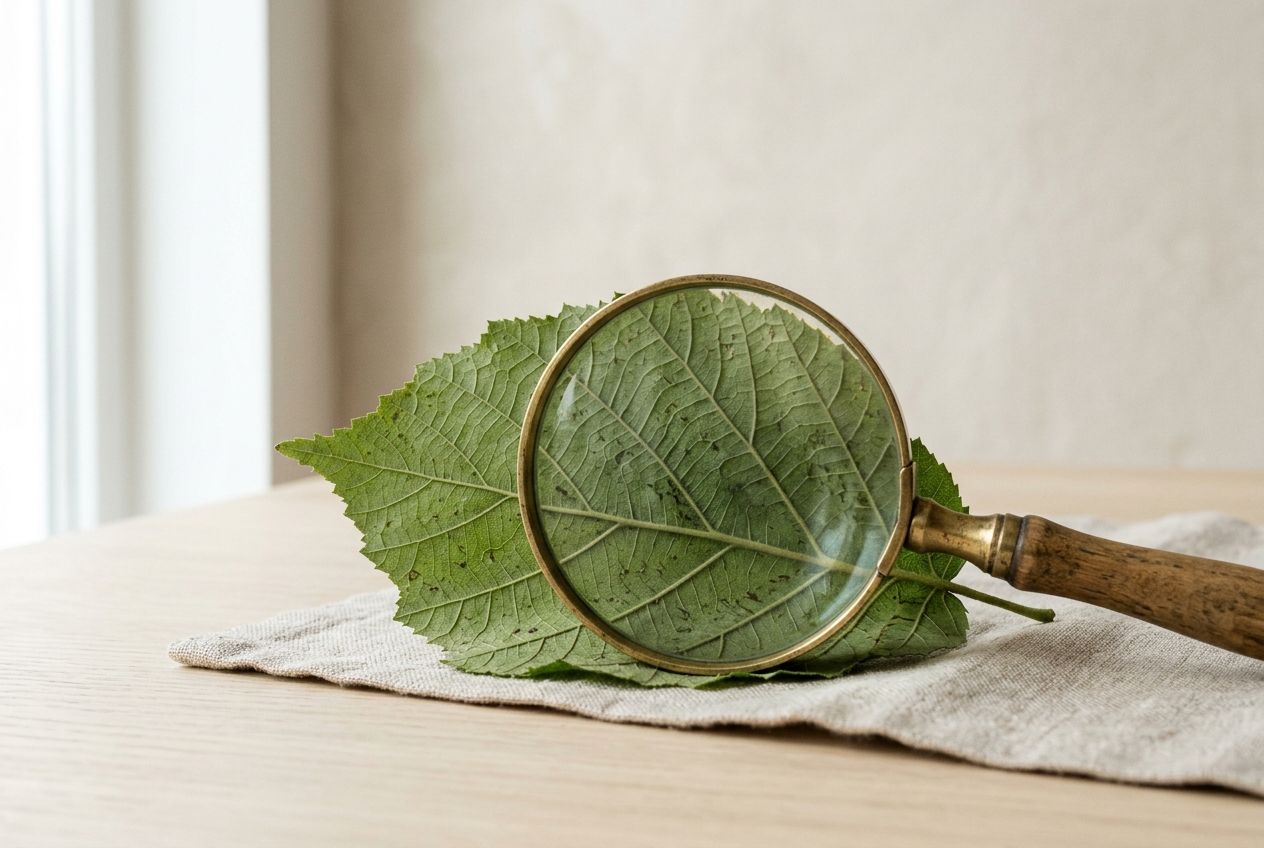
Fig. 02Check the undersides of the leaves every week.